Oil Price Falls, Why Isn't Petrol Cheaper?
Posted 30/08/2015 14:00
Oil prices are back in the red after failing to benefit from a 'risk-on' move by investors in a volatile session on Tuesday and overnight.
In risk-on trading, investors buy into riskier stocks or commodities in the expectation that they will benefit from a rising market. More cautious investors may make a 'risk-off' move towards bonds or gold, which would be expected to rise as other assets fall.
However, oil has so far failed to maintain any upward momentum. International benchmark Brent crude was trading down 0.3 per cent at a shade above $43 a barrel on Wednesday in London, after what the Financial Times' Naomi Rovnick described as an "indecisive" session overnight in Asia. Modest gains made in early trading were later eroded.
Having hit an 'intraday' six-and-a-half-year low of close to $42 a barrel on Monday, Brent had recovered and briefly touched above $45 on Tuesday, but it has noticeably failed to track a strong rebound elsewhere as oversupply fears continue to weigh on sentiment.
Oil prices vs petrol prices
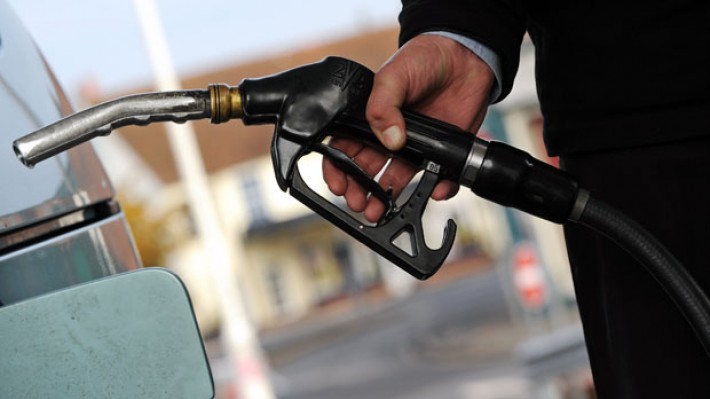
Motoring organisations have raised the prospect of petrol in the UK hitting £1 a litre if the price was to fall much lower – but The Times notes that the last time Brent was at $43 a barrel in March 2009 a litre of unleaded was costing on average 86.6p. So why are consumers still stuck paying an average of 113.5p now?
The AA says the change is due to a "sharp rise in profits earned by oil refiners". In the UK major oil companies have largely stepped back from refining oil for fuel and the majority is now undertaken by firms such as Essar, owned by India’s billionaire Ruia family, and Ineos, controlled by Switzerland-based petrochemicals tycoon Jim Ratcliffe.
According to the AA, the price paid to refine a litre of petrol has risen over the past six years from 14.5p to 29.5p, while taxes have gone from 65.25p to 76.9p. Retailers are taking essentially the same cut, of around 7p.
Oil could still fall further as we head into an autumn season, when demand typically wanes, which may bring prices down further. This is expected to put pressure on inflation and could delay the timing of an interest rate increase until later next year, according to analysts.
Source: www.theweek.co.uk
Please leave comments and feedback below