5 Key Ways Digital Oilfield Technology is Crucial to Recovery
Posted 15/05/2015 18:00
Oil and gas operators like Hess, ConocoPhillips, and Anadarko are increasingly turning to digital oilfield technology as being the key to weathering the current oil price environment and allowing them to emerge with more efficient, streamlined operations.
BP recently announced at OTC that using big data could help the organization pump another 85,600 barrels.
50% of oil and gas companies will have advanced analytics capabilities in place by 2016. As GE recently outline at OTC – Big Data could help oil companies pump 80 billion more barrels of oil around the world – that’s a lot of oil currently being missed!
Here are 5 Key Ways that operators are looking to harness big data and the digital oilfield to maximize their production and have safe, efficient operations.
1) Reliability and Maintenance- effectively monitoring the condition of equipment mean operators are increasingly able to predict when it likely to fail, leading to more efficient maintenance scheduling and less unplanned shutdowns. This feature can do wonders, especially for businesses that are still new or small in the industry. When you know the condition of your equipment and when will it require maintenance, you can easily make adjustments to your operations and budget accordingly. This will ensure that your operations aren’t hampered and your business doesn't lose money just because of equipment maintenance.
BP claimed that using big data to monitor the health of its production equipment could cut down on unplanned downtime and boost output by 10 percent, resulting in 214,000 extra barrels of oil per year.
2) Production Optimization- real-time production surveillance provides engineers with an understanding of how the field is performing. Automation in onshore means that operators are able to view the entire field allowing them to make short-term changes that optimize the flow of oil from the reservoir.
Production optimization will make it easy for the operators to assess the progress of the project and make changes the moment they notice that certain elements aren’t according to plan. This can prevent minor problems from getting worse, ensuring that projects are completed on schedule.
3) Field development- Reservoir surveillance allows reservoir engineers to understand the behavior of the reservoir as well as modeling certain scenarios using simulation software. This allows them to create long-term forecasting and to plan the placement of future wells or plan effective IOR and EOR strategies.
The information the operators will have about the reservoir will allow them to create an effective plan that can help with their operations. Moreover, knowing how the reservoir behaves will make it easy for operators to look at the bigger picture–what are the possible pros and cons of a certain strategy and what possible problems can they meet during the projects. The more they know about the reservoir, the easier it’ll be for them to prevent and manage problems in the long run.
4) Collaboration - Real-time operations centers can allow effective collaboration between separate disciplines. Traditional engineering silos are broken down by allowing reservoir, production, completions, and operations engineers can sit side by side and share their expertize, allowing a more holistic life of field management. This is also facilitated by collaboration and knowledge management software, which can centralize and store all data and information relating to the field, meaning the right people have access to it at all times and are able to view a complete history of the life of the field.
Allowing operators to collaborate will ensure the success of any projects and they’ll easily manage any problems along the way. This is especially important for projects that require many teams to work together.
5) Safety - mostly importantly of all, the digital oilfield can drastically improve safety in oil fields. By monitoring equipment in real-time, operators can be alerted in advance when a leak or event which may compromise the integrity of an asset is likely to occur and allow them to take action to prevent it. This information will also help operators determine when is the right time to buy Thermocouples by Pyrosales and other necessary tools to repair and fix different kinds of equipment.
The safety of the operators is an important factor to consider in any industry because this can affect the timeline and success of projects. When operators’ safety is compromised, projects can extend, costing more money from the business.
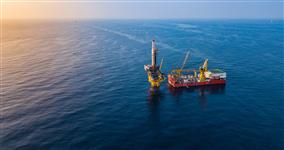
In the case of offshore production, real-time operations centres can reduce the headcount of staff needed on the rig, allowing them to monitor production from onshore. This can speed up the operators’ progress without putting their safety on the line.
In Conclusion
To draw these key areas together, Upstream Intelligence is hosting the Data Driven Production Optimization Conference (June 16-17, Houston). Production engineers, reservoir engineers, IT, and data management will gather to unite each of these 5 aspects to optimize production.
The program will feature digital oilfield best practices from operators currently leading the way in improving their operations including ConocoPhillips, Hess, Anadarko, and BHP Billiton. For more information about the speakers, agenda, and how to register, visit www.upstreamintel.com/data